
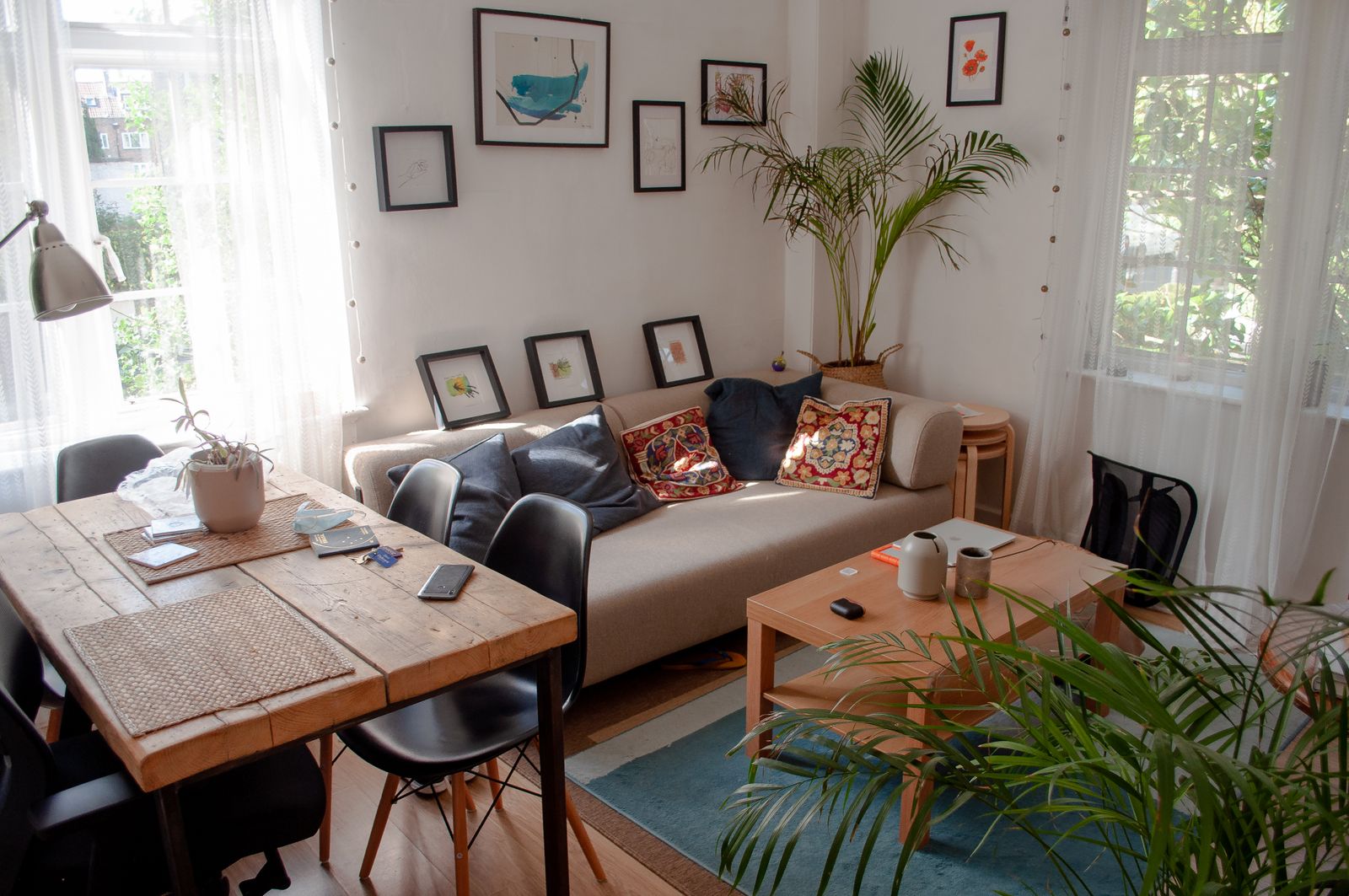
You don't need a designer budget to get a designer look. The living rooms that feel expensive share a few simple secrets — layered textures, intentional color, and pieces with character. Here are ten ideas that cost little and deliver a lot.
1. Hunt for one statement thrift piece
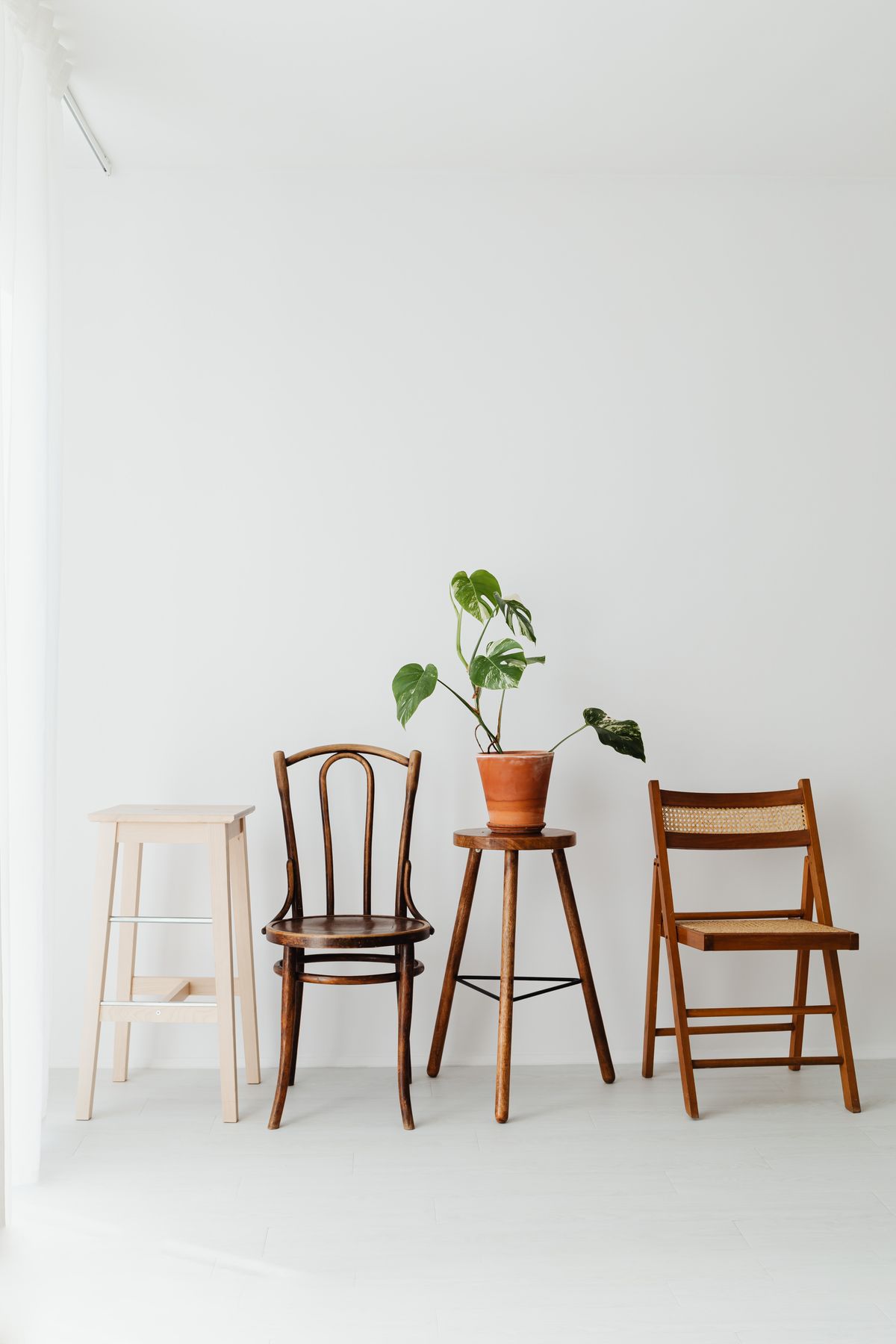
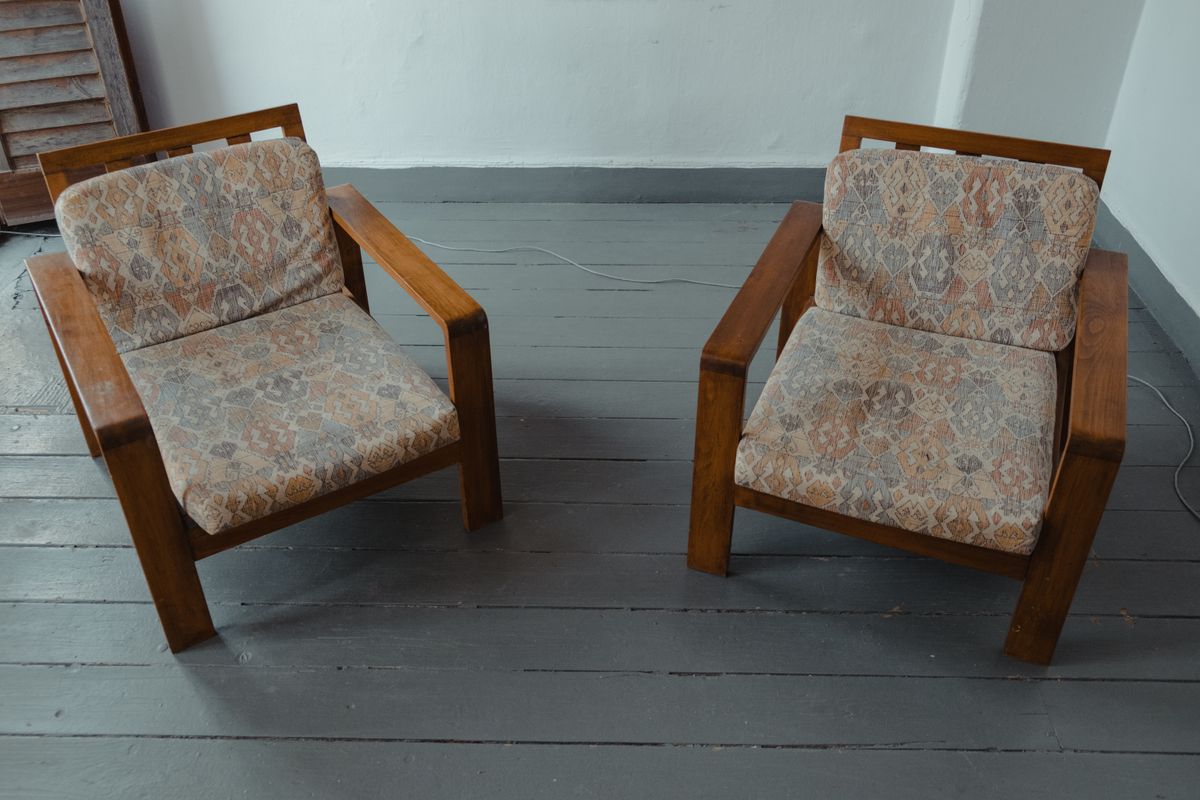
One vintage or secondhand piece — a wooden coffee table, a rattan chair, a brass lamp — gives a room the soul that flat-pack furniture can't. Check thrift stores, Facebook Marketplace, and flea markets. Look for solid wood and interesting shapes; ignore ugly finishes, because paint and polish are cheap.
2. Layer textiles like you mean it
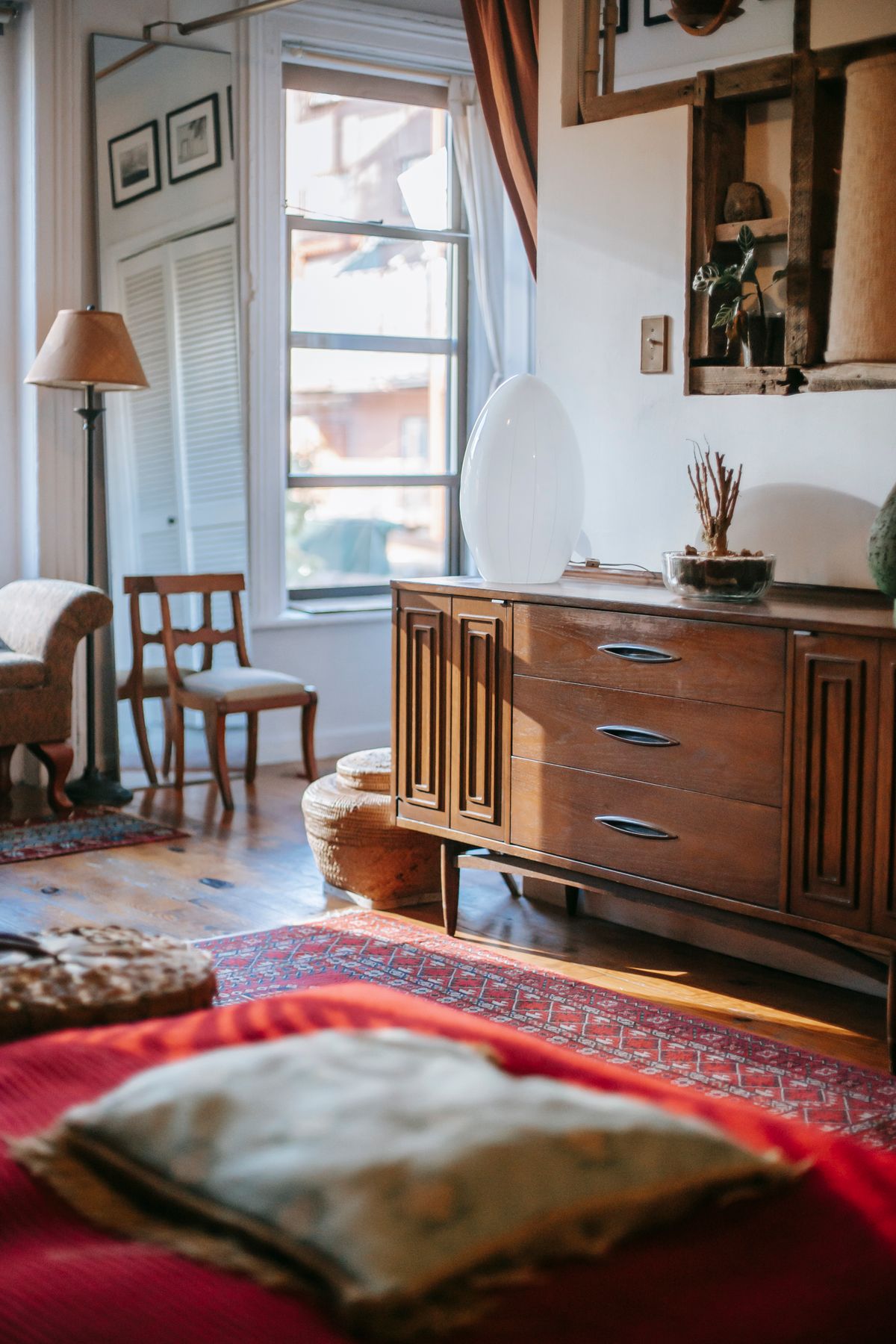
Expensive-looking rooms are never flat. Add a chunky knit throw, two or three cushions in mixed textures (linen, velvet, cotton), and a soft rug underfoot. Stick to three colors max so it reads curated, not chaotic. This single change transforms a basic sofa.
3. Build a gallery wall for under $30
Empty walls make a room feel unfinished. Print free art from public-domain archives, frame pages from old books, or frame your own photos in matching thrift-store frames (spray-painted one color for cohesion). Lay the arrangement on the floor first, then hang.
4. Paint one accent wall
A single can of paint is the cheapest dramatic change you can make. Deep green, warm terracotta, or moody charcoal behind the sofa creates instant depth. Renters: try peel-and-stick wallpaper or large fabric panels hung with removable hooks instead.
5. Swap out hardware and handles
Cabinet knobs, drawer pulls, and light switch plates are jewelry for your room. A $20 pack of brass or matte-black handles can make dated furniture look custom. It's a fifteen-minute job with a screwdriver.
6. Go big with plants
Nothing says "styled" like greenery. One large plant (a fiddle-leaf fig, monstera, or even a tall faux palm) fills dead corners better than any decor object. Group smaller plants in odd numbers on shelves and side tables. No green thumb? Pothos and snake plants survive almost anything.
7. Layer your lighting
Overhead-only lighting flattens everything. Add three light sources at different heights: a floor lamp in a dark corner, a table lamp on a sideboard, and warm fairy lights or candles for evening. Warm bulbs (2700K) make every room feel cozier and more expensive.
8. Style your shelves with the rule of three
Declutter first — then restyle what remains in groups of three: something tall, something textured, something personal. Leave breathing room; crowded shelves read as storage, styled shelves read as design. Books stacked horizontally make great risers for small objects.
9. Anchor the room with a rug
A rug that's too small makes everything look lost. Size up: front legs of the sofa and chairs should sit on it. Can't afford a big wool rug? Layer a large affordable jute rug under a smaller patterned one — designers do this constantly.
10. Commit to a 60-30-10 palette
The real secret of expensive-looking rooms is color discipline: 60% dominant neutral (walls, sofa), 30% secondary (curtains, rug), 10% accent (cushions, art). Pick your three colors before you buy anything, and every budget piece will look intentional.
The takeaway: expensive style is mostly editing — fewer, better-chosen pieces, repeated colors, and layers of texture. Start with one idea this weekend; the thrift hunt alone might furnish half your room.
Looking for more? Browse our Budget Decor and Decor Ideas collections for renter-friendly projects that cost less than a takeaway dinner.
Hi, this is a comment.
To get started with moderating, editing, and deleting comments, please visit the Comments screen in the dashboard.
Commenter avatars come from Gravatar.